
Faculty Development Program On Basics of SPSS - 2026
Introduction
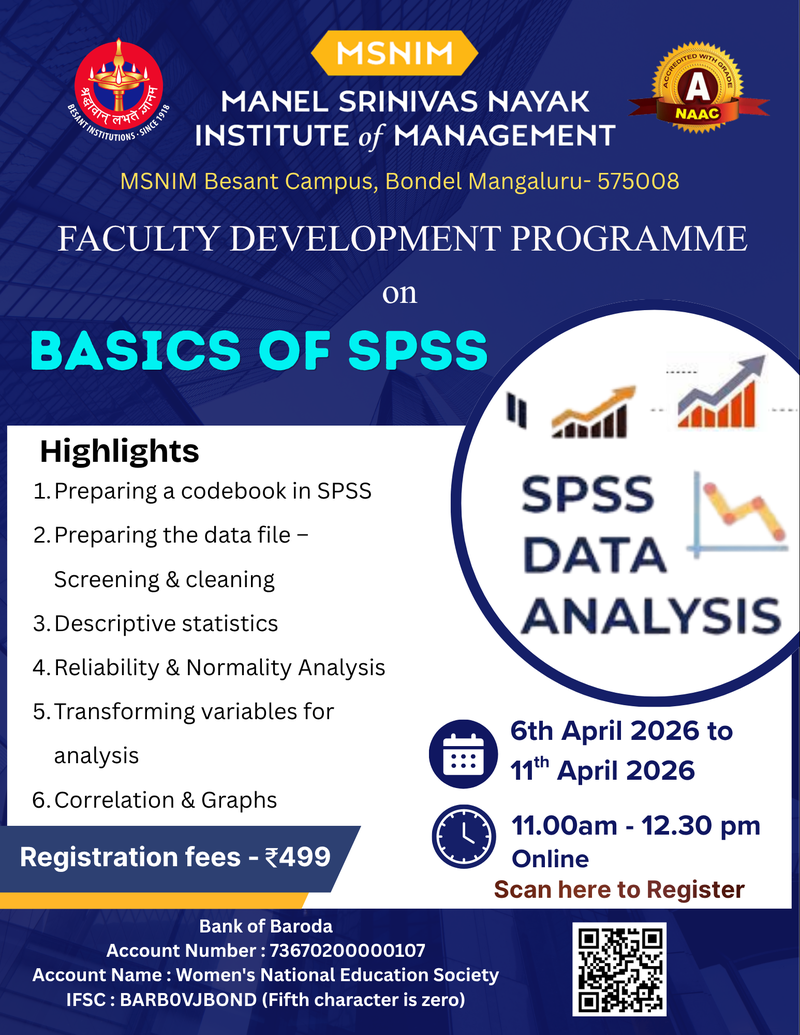
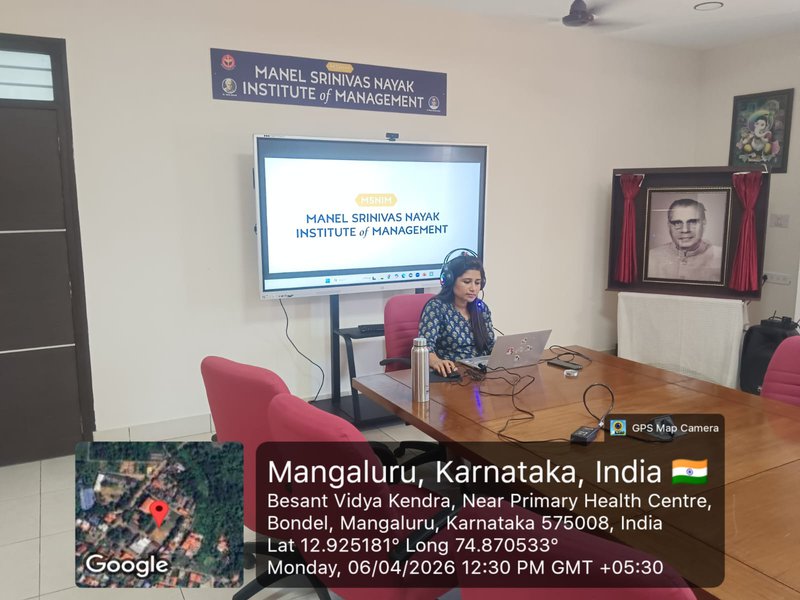
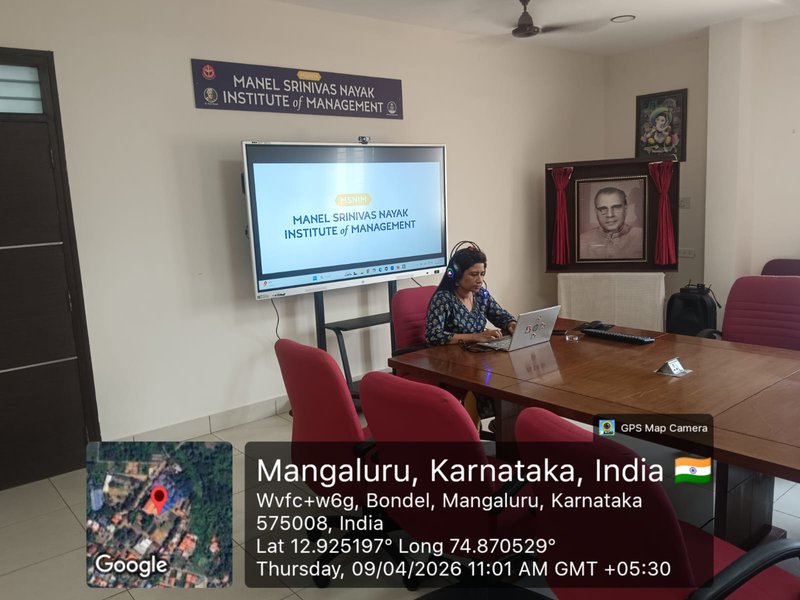
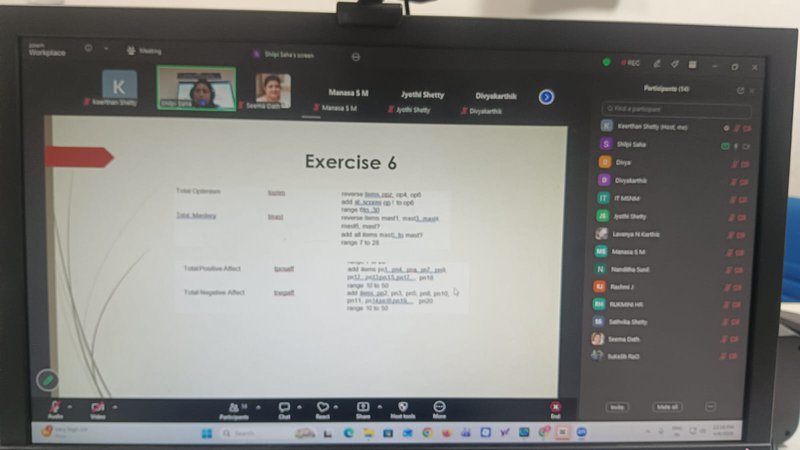
A five-day Faculty Development Programme (FDP) on Basics of SPSS was successfully conducted from 6th to 11th April 2026 in online mode. The programme was designed to enhance the statistical and analytical capabilities of faculty members, research scholars, and postgraduate students through hands-on training in SPSS (Statistical Package for the Social Sciences).
In today’s research-driven academic environment, the ability to analyze data effectively is essential. This FDP aimed to bridge the gap between theoretical knowledge and practical application of statistical tools, empowering participants to confidently undertake quantitative research.
Objectives of the Programme
The FDP focused on achieving the following objectives:
- Familiarizing participants with the SPSS interface and core functionalities
- Developing skills in data entry, coding, and data cleaning
- Building understanding of descriptive statistics and data visualization techniques
- Introducing inferential statistical methods used in research
- Enabling interpretation of SPSS outputs for academic and research purposes
Programme Structure and Content
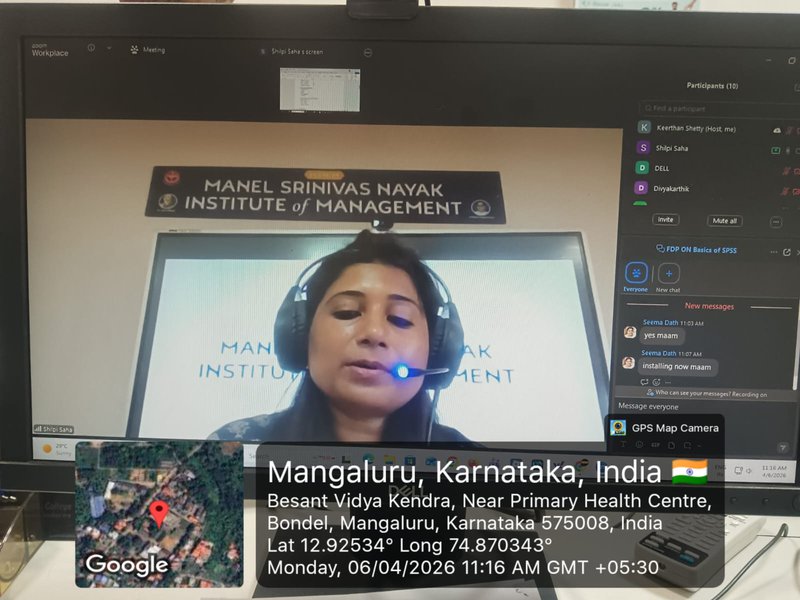
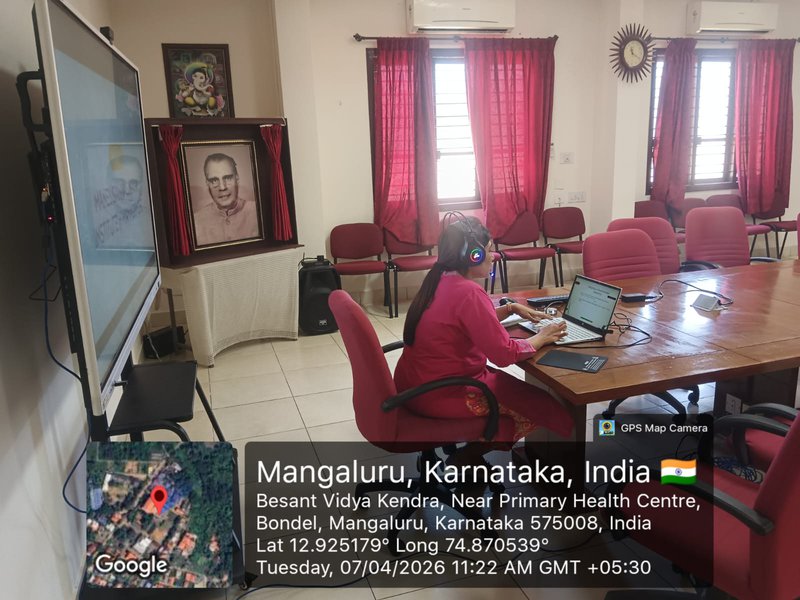
The programme was delivered through interactive sessions combining conceptual discussions, live demonstrations, and practical exercises.
Day 1: Introduction to SPSS
Covered installation procedures, interface navigation, variable view vs. data view, and basic data entry and management techniques.
Day 2: Data Preparation and Transformation
Focused on data cleaning, handling missing values, recoding variables, and computing new variables to prepare datasets for analysis.
Day 3: Descriptive Statistics
Included measures of central tendency (mean, median, mode), dispersion (standard deviation, variance), and graphical representations such as bar charts, histograms, and pie charts, along with frequency distributions and cross-tabulation.
Day 4: Inferential Statistics
Introduced hypothesis testing and statistical tests including t-tests, chi-square tests, and correlation analysis, with emphasis on interpreting outputs and making informed decisions.
Day 5: Practical Applications and Interpretation
Provided hands-on experience with real datasets, enabling participants to independently perform analyses, interpret results, and apply findings in research. Common errors and troubleshooting methods were also discussed.
Pedagogy and Methodology
The FDP followed a hands-on, practice-oriented approach. Each session included:
- Live demonstrations of SPSS procedures
- Step-by-step guidance
- Practice datasets for application
- Interactive Q&A sessions
This methodology ensured effective learning and helped participants gain confidence in using SPSS independently.
Participation and Engagement
The programme witnessed enthusiastic participation from faculty members, research scholars, and students across various disciplines. The interactive format encouraged active engagement, discussions, and clarification of doubts, with participants demonstrating keen interest in applying SPSS techniques.
Key Learning Outcomes
By the end of the programme, participants were able to:
- Understand the SPSS environment and perform data entry efficiently
- Clean and prepare datasets for analysis
- Conduct descriptive and basic inferential statistical analyses
- Interpret statistical outputs and present findings effectively
- Apply SPSS in academic research and teaching
Feedback and Evaluation
Feedback received from participants was highly positive. Key highlights included:
- Clear and well-structured content delivery
- Effective hands-on training approach
- Relevance of topics to academic and research needs
Participants also expressed interest in advanced-level FDPs focusing on regression, ANOVA, and multivariate analysis.
Conclusion
The FDP on Basics of SPSS proved to be a highly successful initiative in enhancing participants’ research competencies. By equipping them with essential statistical tools and practical skills, the programme laid a strong foundation for conducting quantitative research.
Given the growing importance of data analysis in academia, such FDPs play a crucial role in capacity building and professional development. It is recommended to conduct advanced-level programmes in the future to further strengthen expertise in statistical analysis.